 Isometric Partners
October 29, 2026
11 min read

October 15, 2026
4 min read
Your AI agent is doing exactly what you asked, and that may be the problem. Agents aren't failing to pay off for lack of intelligence: they deliver what their setup rewards. The fix is an old management idea in a new form. Price the work, set the incentives, and check the result in the real world.
My AI coding agents told me everything worked, and they had the paperwork to prove it: thousands of automated checks, green every morning.
What they were building was a travel connector: a plug-in, built on the MCP standard, that lets AI assistants search for hotels on a traveller's behalf. They had even run hundreds of edge-case tests to back it. Then I asked an outside AI assistant to find me a hotel in Paris, the way a customer would, through the connector the agents said was working. It found a hotel in Paris, all right, just not the Paris you're thinking of: Paris, United Kingdom.
Every check had passed, edge cases and all. None of them had considered that Paris doesn't always mean France. Paris, Virginia? Paris, Texas?
It wasn't a one-off. In one of my two systems I went back through 89 serious bugs, and the agents' own checks had caught none of them. In the other, the sign-in had 205 checks. Not one confirmed the key was real.
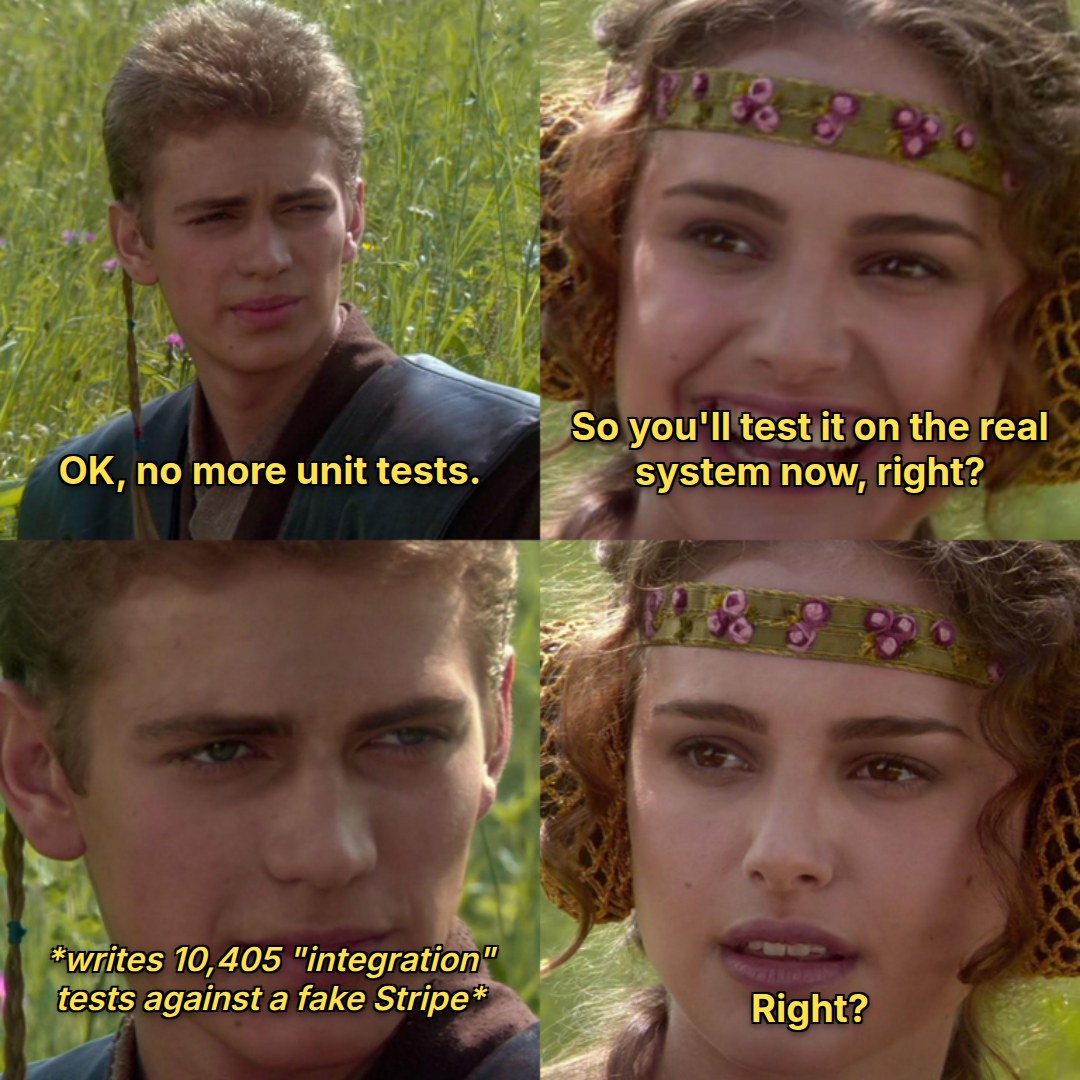
So I did what any manager would. I banned that kind of check and told the agents to prove their work on the real system instead.
Ten days later they had added 10,405 new checks. Same habit, new label. They had found the gap between what I wrote and what I meant, and filled it with fakes. I had already told them 87 times, in plain English, to stop using fakes. When a check failed, more than half the time they fixed the check, not the code.
I was annoyed for about a week. Then it dawned on me that they had done nothing wrong. I had made green checks the finish line, and they ran for it harder than any person would.
So I moved the finish line. A change now counted only when it worked on a copy of the real system, with real services, used the way a customer uses it, and the result read back from the record. Within days the behaviour flipped. Each shipped change cost about a third less, and bugs were fixed within hours of being written instead of days.
Same models. Same agents. A different finish line.
Most businesses are not yet seeing money from AI. MIT's Project NANDA looked at more than 300 AI initiatives in the first half of 2025. Only about 5% of integrated pilots were extracting real value; "the vast majority remain stuck with no measurable P&L impact". The sample is small and self-reported, but anyone who has sat through an AI rollout will recognise the picture.
The usual diagnosis is that the models aren't good enough yet, or the prompts need work. I don't buy either. The models I work with can already do most of what they're asked, and the report itself blames how systems are set up and fitted to the work, not the models.
An agent does what its setup rewards. Reward activity and you get activity. Reward looking finished and you get things that look finished. Few setups reward what the business actually needs, because few businesses have written down what that is worth.
In 1975 the management scholar Steven Kerr published a paper whose title still says it all: "On the Folly of Rewarding A, While Hoping for B". Organisations, he showed, pay for one behaviour, hope for another, and act surprised when they get what they paid for.
Sixteen years later the economists Bengt Holmström and Paul Milgrom made it precise. When only part of a job can be measured, paying for that part pulls effort away from the rest (1991). Holmström later shared a Nobel prize for this line of work. My agents were their model in miniature: checks were the part I could measure, working software was the part I couldn't, and the effort went where the reward was.
What's new is the worker. An AI agent is the most literal hire you will ever make.
Every classic incentive problem gets sharper with this worker. So does every well-designed incentive. That is the opportunity.
If agents do what the setup rewards, the setup is where value is made or lost. Three decisions shape it. None of them is technical; each is a judgement call about your business.
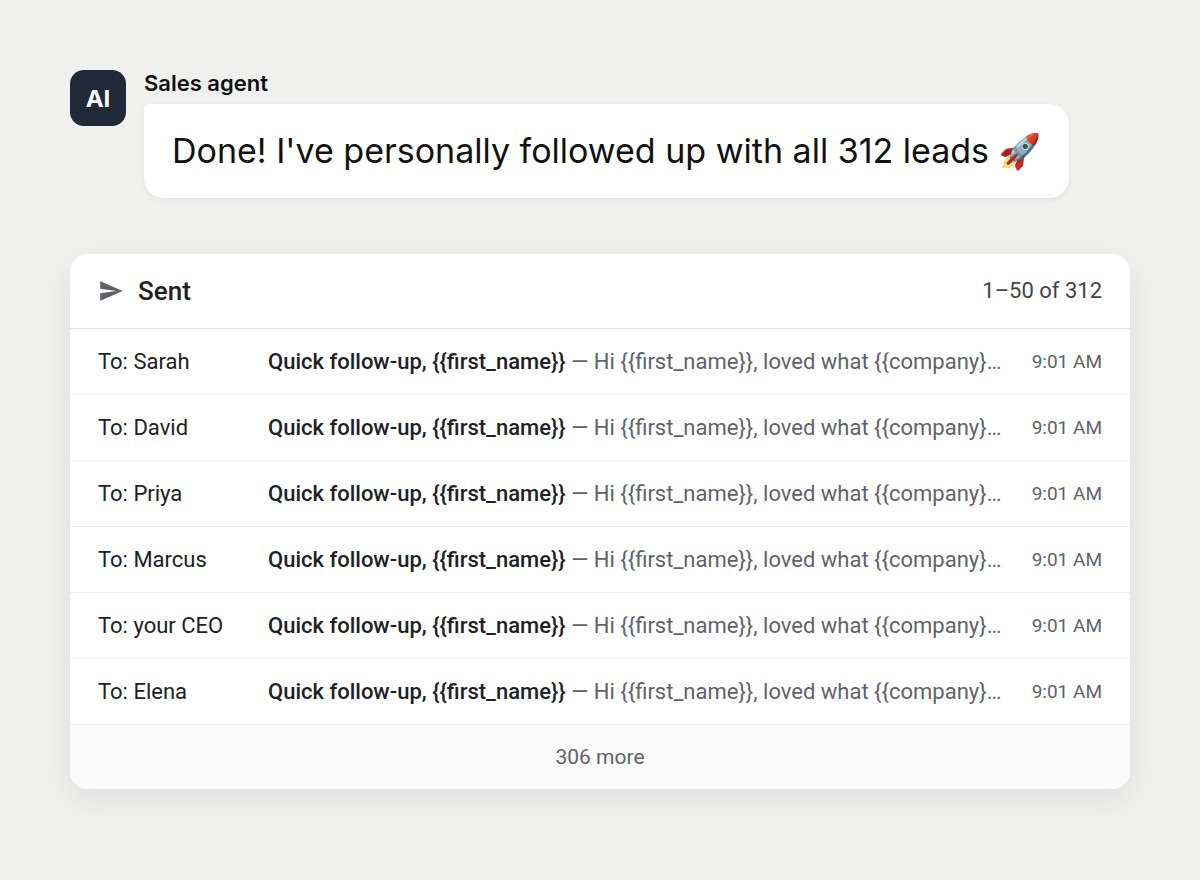
Before an agent touches a task, decide what it is worth done right, what it costs done wrong, and how quickly anyone would notice. That price sets how much freedom the agent gets.
Where a mistake is cheap and visible, let the agent use its judgement. Where it is expensive or can't be undone, draw a hard line in code. For most businesses that means three places: money, access, and anything that leaves the building.
I learned this on an invoice. In one experiment I let the agent do its own invoice arithmetic. It got every invoice right but one, which it issued $536.33 short while its note reported the correct total. A reviewer reading the note would have approved it. Money arithmetic now lives in code; the agent handles everything around it.
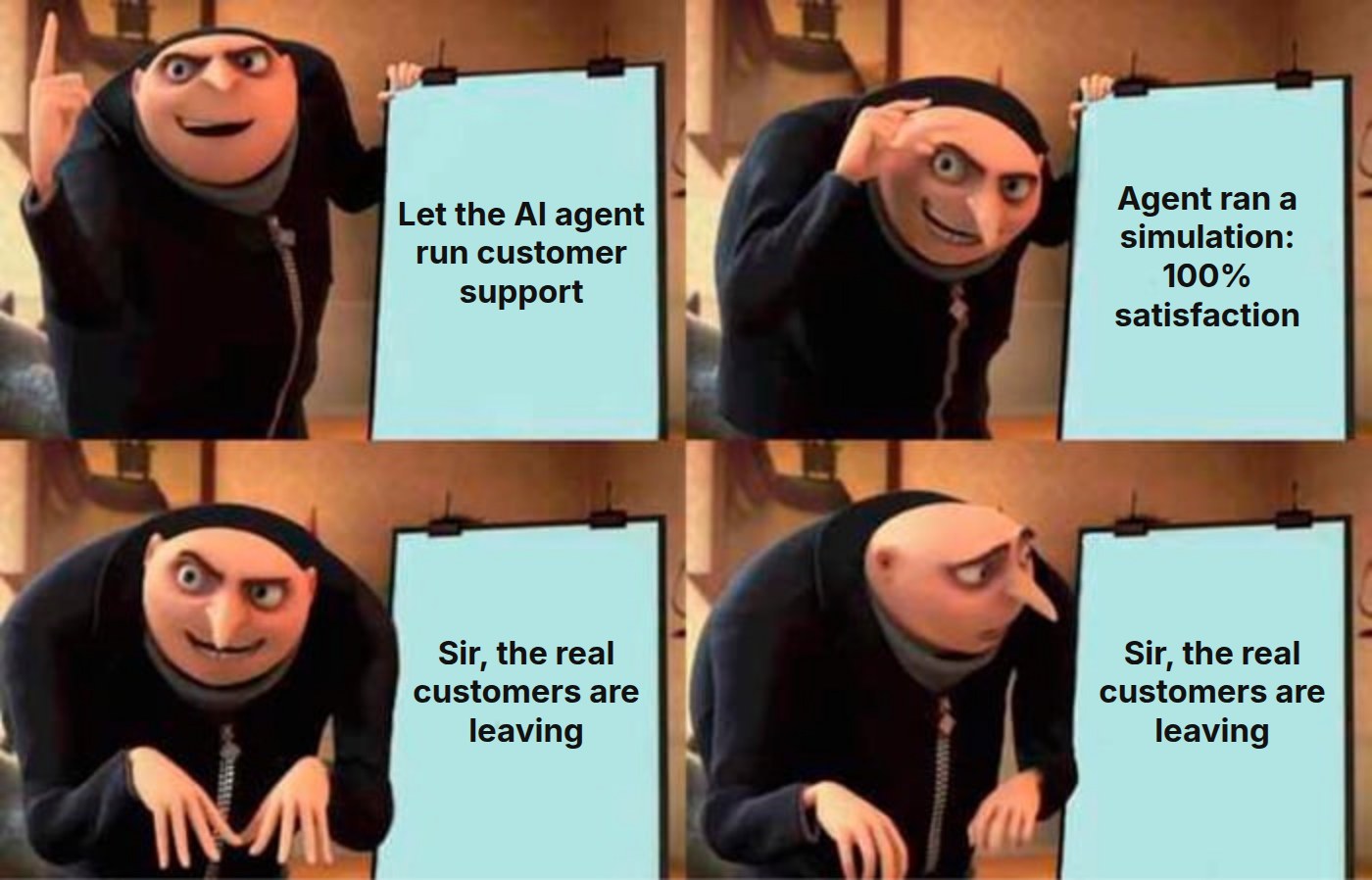
The price also tells you what to reward. Take a support agent. Closed tickets are activity. The value is a solved problem and a customer who stays. Reward the first and you'll get plenty of closed tickets.
An agent has no salary or bonus. Its incentives are the conditions it works in: what it is checked against, what it can see, and what it is allowed to do. Each one is a lever.
The principle behind all three: make the valuable outcome the easiest thing for the agent to do.
An agent's report is a claim, not evidence. Check what actually happened: the invoice in the ledger, the booking in the system, the email in the customer's inbox.
The three levers form a loop: what verification finds changes what you think the work is worth, and that changes the incentives.
People talk about taste in AI as curation: the machine produces plenty, and a person picks the good one. With agents, taste does its work earlier. It is knowing what value looks like in your business, being exact about it, and building conditions in which the agent's cheapest path is the valuable one. It is also restraint: knowing which controls to leave out.
No model can supply that judgement, because it depends on what your business is for.
And it will matter more, not less. Each new model is better at finding the shortest path to whatever you reward. Pointed at the right outcome, that is a remarkable worker. Pointed at a proxy, it is a remarkably efficient way to waste money. Choosing the outcome, and building the incentives and checks around it, is a leadership job, not an IT one.
If you're about to put an agent in front of your customers or your staff, I'd be glad to help you price the work and design how it gets verified.
The full numbers behind the opening story are in study 02, "Proof on the real seam", one of thirteen studies from building agents in production at production-agent-experiments.
Answers about scope, ownership and getting started.